Please Install Flash Player
Download from here
Parasramka Mica EnglishDutchItalianoChineseJapanese
Please Install Flash Player
Download from here
Welcome to Parasramka Mica Industrires
Please Install Flash Player
Download from here

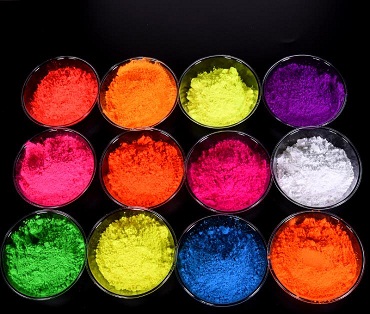
We are one of the oldest Producer and Supplier of different type of Minerals, Chemicals, Muscovite Mica etc. We are engaged in large volume production and are capable to enter into long term contract with our customers at most competitive price and could guarantee supply of a consistent high quality product. No matter what be your requirement, we are very well placed to supply, 'what you need and when you need them', to your complete satisfaction.

So why not choose Parasramka for your next requirement to give it a trial and find difference. We are confident that you will find us as your most trusted source of supply.

Our Products


MicaMica

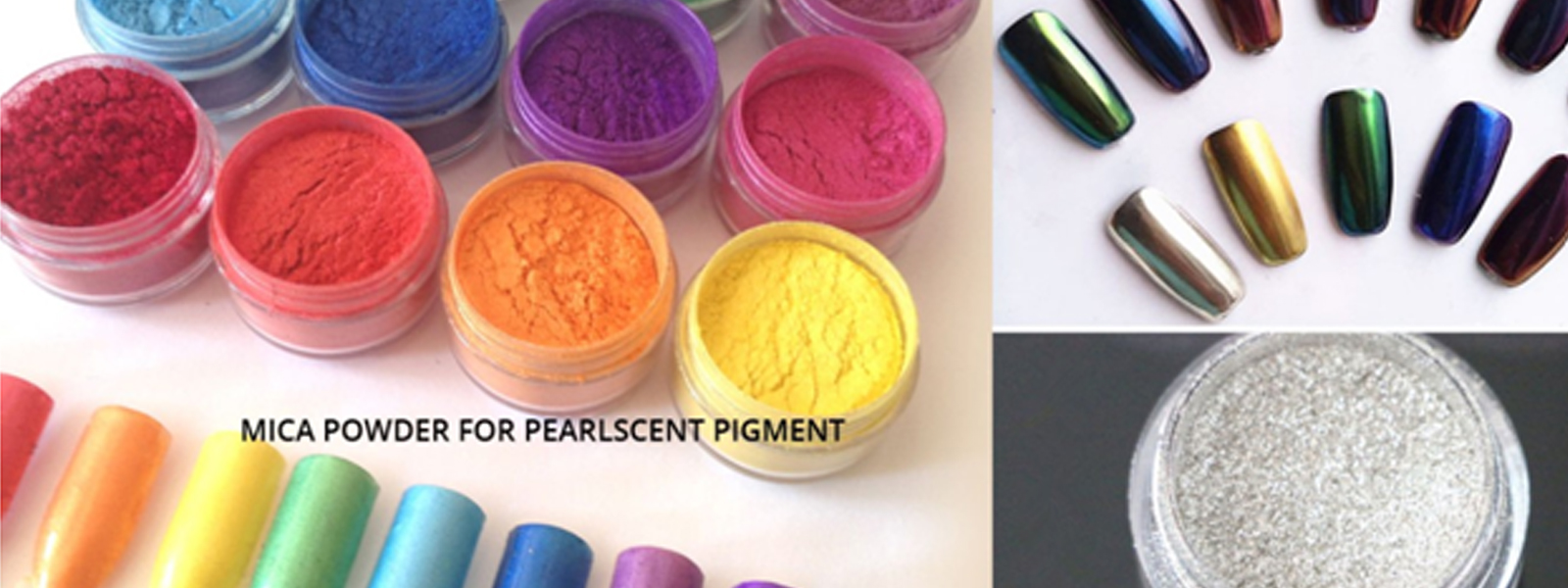
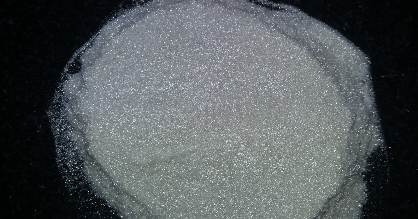
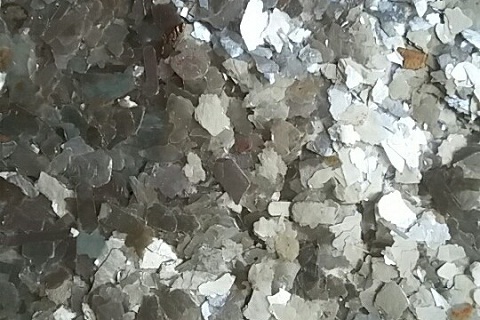
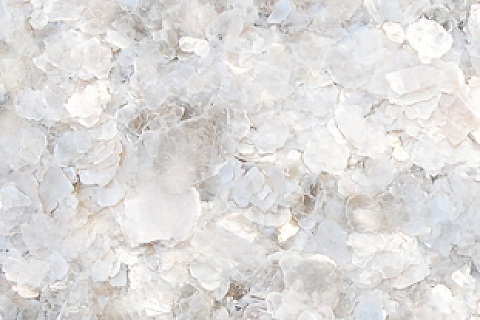
The dictionary defines mica as "A class of silicates having a prismatic angle 120o, eminently perfect basal cleavage, affording thin tough laminae or scales, colorless to jet black, transparent to translucent, of widely varying chemical composition, and crystallising in the monoclinic system".

In brief, mica is a generic term applied to a group of a complex aluminosilicate minerals having a sheet or plate like structure with

More...

MicaQuartz

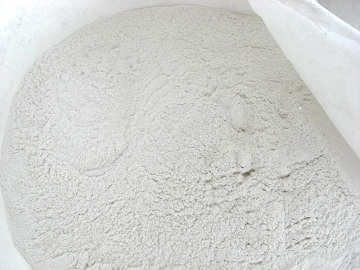
Quartz is a very hard mineral composed of silica, SiO2, found worldwide in many different types of rocks, including sandstone and granite.

More...


MicaPotash Feldspar

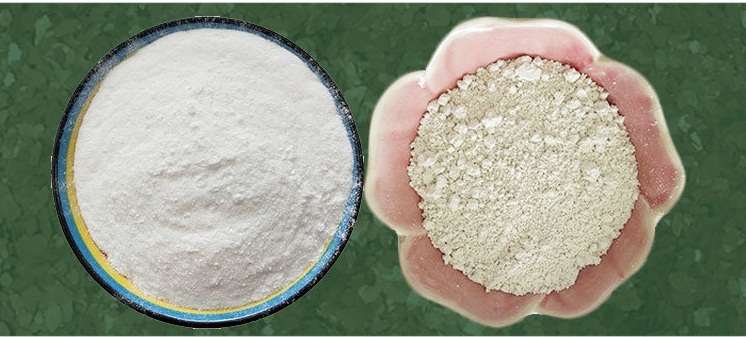
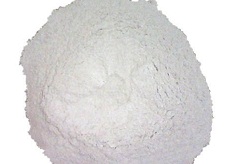
The feldspars are a group of minerals that have similar characteristics due to a similar structure. All feldspars have low symmetry, being only monoclinic, 2/m, to triclinic, bar 1. They tend to twin easily and one crystal can even be multiply twinned on the same plane, producing parallel layers of twinned crystals. They are slightly hard at around 6, and have an average density at 2.55 to 2.76. They have a rather dull to rarely vitreous luster. Crystals tend to be blocky. Some feldspars may be triboluminescent. They have two directions of cleavage at nearly right angles. Feldspars also tend to crystallize in igneous enviroments, but are also present in many metamorphic rocks.

The general formula, for the common feldspars, is XAl(1-2) Si(3-2) O8 . The X in the formula can be sodium, Na and/or potassium, K and/or calcium, Ca. When the cation in the X position has a positive one (+1) charge such as with sodium or potassium, then the formula contains one aluminum and three silicons ions. If the formula contains the positive two (+2) cation calcium, then the formula will contain two aluminums and only two silicon ions. This substitution keeps the formula
More...